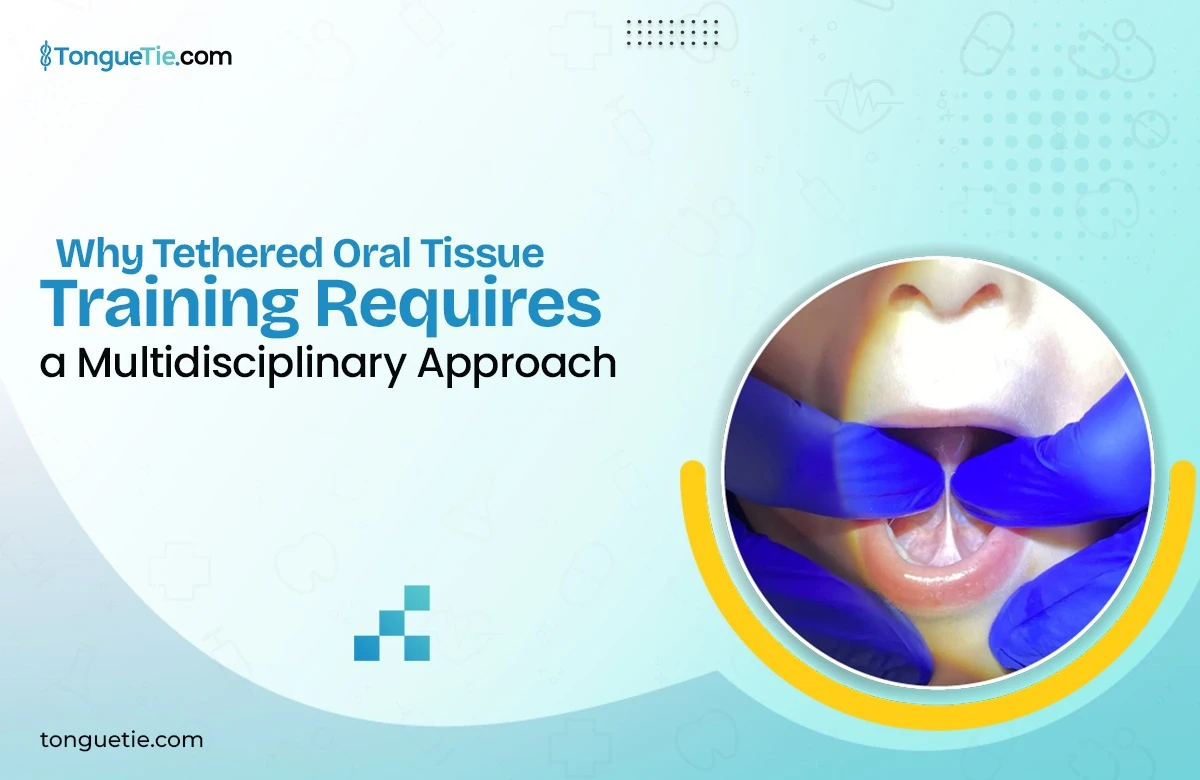
As awareness of tongue-ties and oral restrictions continues to grow, more providers are seeking quality tethered oral tissue training. Fortunately, educational opportunities have expanded significantly over the past decade. Unfortunately, many courses still focus primarily on the surgical procedure itself.
In my experience, that simply isn’t enough.
A tongue-tie release may take only a few seconds to perform, but understanding why that patient is struggling and how to help them afterward requires a much broader perspective.
That is why I believe the best tongue-tie continuing education teaches providers to look beyond anatomy and embrace a true multidisciplinary approach.
Looking Beyond the Procedure
When I first began treating tongue-tied patients, the conversation centered almost entirely around the release itself.
Today, we know much more.
Patients often present with feeding challenges, airway concerns, speech issues, oral motor dysfunction, body tension, or compensation patterns that extend far beyond a restrictive frenulum.
Learning the procedure is important, but understanding the patient is even more important.
That philosophy is the foundation of the Tongue-Tied Academy Course, where we focus not only on surgical technique but also on diagnosis, functional assessment, interdisciplinary care, and long-term outcomes.
Why a Multidisciplinary Approach Matters
No single provider sees every aspect of a patient’s condition.
- A lactation consultant may identify subtle feeding dysfunction.
- A speech-language pathologist may recognize oral motor deficits.
- A physical therapist may observe body tension affecting feeding.
- A dentist or physician evaluates anatomy and determines whether treatment is appropriate.
Each provider contributes valuable information.
When these perspectives come together, patients receive more comprehensive care and families benefit from clearer communication and better treatment planning.
Great Providers Never Stop Learning
Learn how to better assess and treat tethered oral tissue cases with confidence.
Tongue-Tie Assessment Is More Than Anatomy
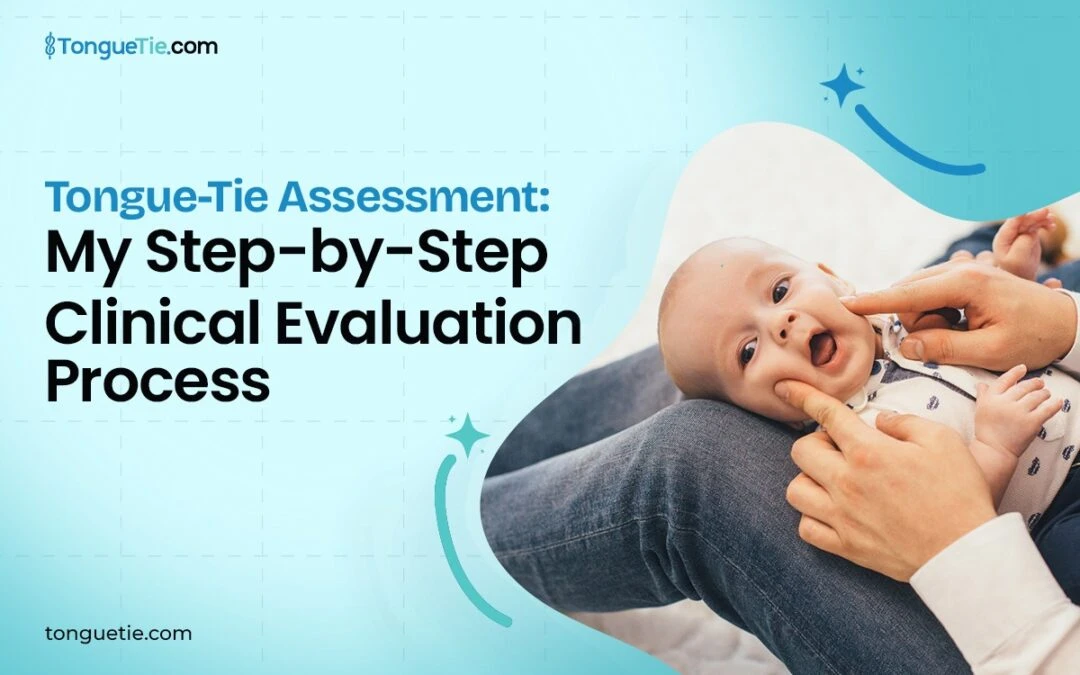
One of the biggest lessons providers learn is that a proper tongue-tie assessment involves much more than looking underneath the tongue.
A comprehensive evaluation includes:
- Tongue mobility
- Elevation and lateralization
- Feeding function
- Suction
- Compensation patterns
- Oral motor skills
- Airway observations
In my experience, newer providers often spend too much time asking, “Is there a tongue-tie?” or a “string,” and not enough time asking, “Is this restriction affecting function?”
Those are two very different questions.
Understanding Oral Motor Skills
The tongue is involved in much more than feeding.
It contributes to swallowing, speech, oral development, airway function, and efficient movement throughout the oral cavity.
When movement has been restricted for weeks, months, or years, patients frequently develop compensatory patterns.
Even after a release, those habits do not automatically disappear.
This is one reason collaboration with speech therapists, occupational therapists, myofunctional therapists, and physical therapists can be so valuable. Restoring mobility and restoring function are not always the same thing.
Choosing the Right Continuing Education
As more courses become available, providers should look for education that reflects how patients are actually treated – not just how procedures are performed.
The strongest tethered oral tissue training programs should include:
- Functional assessment
- Feeding evaluation
- Laser education
- Real patient cases
- Video demonstrations
- Postoperative management
- Interdisciplinary collaboration
Providers should leave a course with a better understanding of the entire patient, not just the anatomy.
Also Read: What Is Included in a Tongue-Tie Training Course?
Education Designed for Your Role
Not every healthcare professional needs the same type of training.
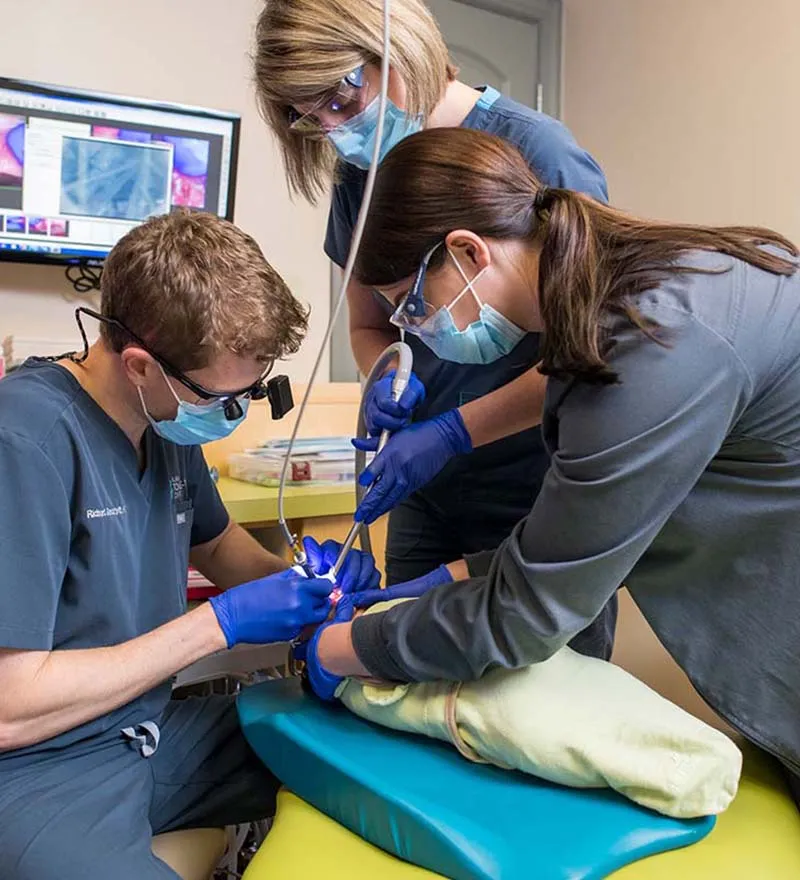
The original Tongue-Tied Academy Course was developed for dentists and physicians who want comprehensive education in diagnosis, laser procedures, patient management, and interdisciplinary care.
For speech-language pathologists, occupational therapists, physical therapists, lactation consultants, hygienists, and other non-surgical providers, the Tongue-Tied Academy LITE Program provides focused education on oral function, feeding, assessment, and collaboration without emphasizing procedural training.
Both courses share the same philosophy: better education leads to better patient care.
Final Thoughts
As our understanding of tethered oral tissues continues to evolve, so should the way we educate providers.
Great outcomes rarely come from excellent surgery alone. They come from thoughtful assessment, sound clinical judgment, and collaboration among providers who each contribute their own expertise.
Whether you are looking to expand your procedural skills or strengthen your understanding of feeding, oral function, and interdisciplinary care, investing in comprehensive education is one of the best decisions you can make for your patients and your practice.
Explore the Tongue-Tied Academy Course for dentists and physicians, or the Tongue-Tied Academy LITE Program for therapists and allied healthcare professionals, and discover how a multidisciplinary approach can transform the way you evaluate and treat tethered oral tissues.
Frequently Asked Questions
Q1. Who should take tethered oral tissue training?
Dentists, physicians, lactation consultants, speech-language pathologists, occupational therapists, physical therapists, hygienists, and other providers involved in oral function and feeding care.
Q2. Why is a multidisciplinary approach important?
No single provider sees the entire clinical picture. Collaboration often leads to more accurate diagnoses, better communication, and improved patient outcomes.
Q3. Is tongue-tie assessment only about anatomy?
No. A comprehensive tongue-tie assessment should evaluate both anatomy and function, including feeding, oral motor skills, and compensation patterns.
Q4. Which Tongue-Tied Academy course is right for me?
The full Tongue-Tied Academy Course is designed for dentists and physicians performing procedures, while the Tongue-Tied Academy LITE Program is ideal for therapists, lactation consultants, and other non-surgical providers.
Ready to Advance Your Clinical Skills?