Understanding a Common – but Often Missed – Cause of Feeding, Speech, and Sleep Issues
If you’ve heard the term posterior tongue tie, you’re not alone – but you might still be wondering:
- “What exactly does that mean?”
- “How is it different from a regular tongue tie?”
- “Could this be affecting my child?”
These are great questions.
At Alabama Tongue-Tie Center, we see many children (and infants) whose symptoms were missed early – often because posterior tongue ties can be harder to recognize.
Let’s walk through this in a simple, clear way.
What Is a Tongue Tie?
A tongue tie (also called ankyloglossia) happens when the tissue under the tongue (the frenulum) is too tight, thick, or restrictive.
This can limit how well the tongue moves.
And tongue movement matters more than most people realize – it plays a role in:
- Feeding
- Speech
- Breathing
- Oral development
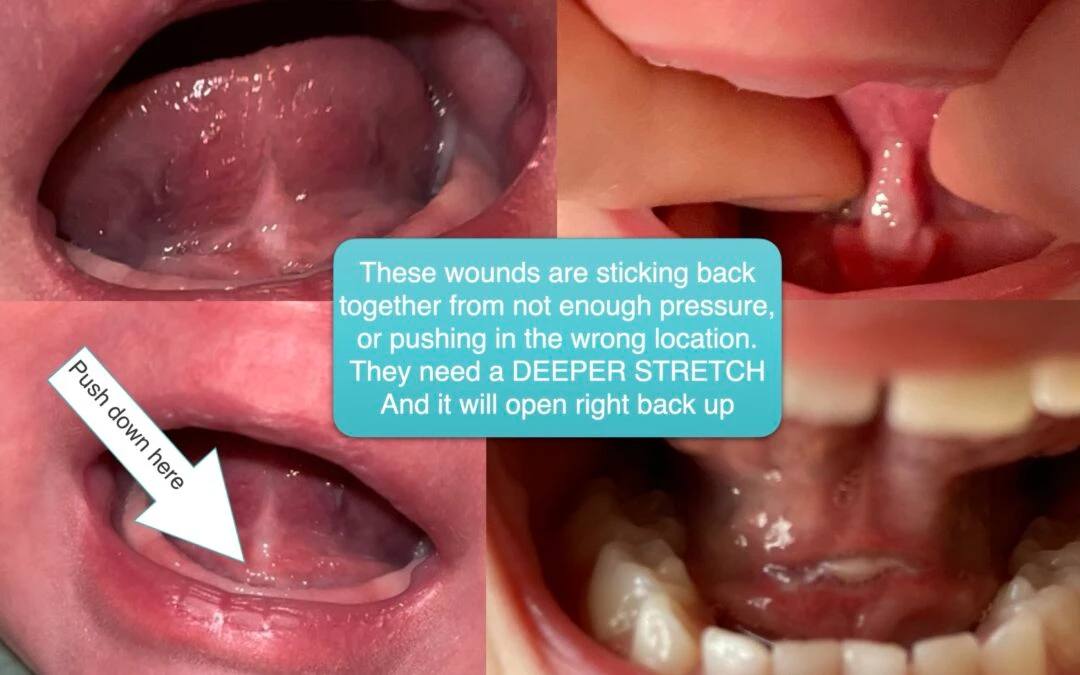
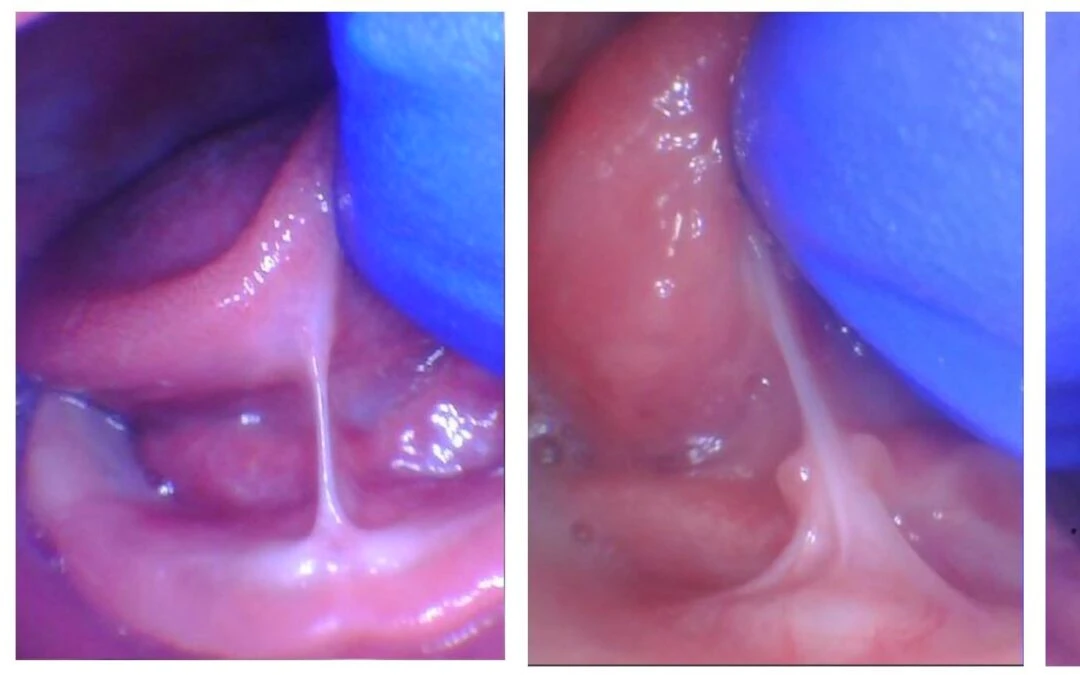
What Makes a Tongue Tie “Posterior”?
A posterior tongue tie is simply a restriction that is:
- Further back under the tongue
- Often less obvious to see
- Sometimes hidden under the surface tissue
Unlike a classic “anterior” tongue tie, a posterior tie may:
- Look subtle
- Be missed on quick exams
- Still significantly affect function
👉 In other words: you may not see it clearly – but your child may still feel it
Why Posterior Tongue Ties Are Often Missed
Posterior tongue ties don’t always look dramatic.
Because of that:
- Some providers are trained to look only for obvious ties
- Parents may be told “everything looks normal”
- Symptoms may be attributed to other causes
But function matters more than appearance.
👉 What the tongue can do is more important than how it looks
Signs of a Posterior Tongue Tie (Infants)
In babies, this may show up as:
- Difficulty latching
- Clicking sounds while feeding
- Frequent feeding or poor milk transfer
- Gassiness or reflux-like symptoms
- Nipple pain for breastfeeding moms
- Poor weight gain
These can be frustrating – and often confusing for parents.
Signs in Older Children
As children grow, a posterior tongue tie may contribute to:
- Speech challenges
- Mouth breathing
- Snoring or restless sleep
- Picky eating or gagging
- Difficulty with certain tongue movements
- Dental or jaw development concerns
👉 Sometimes, these symptoms are treated separately without recognizing a common underlying cause
Also Read: Can Adults Have a Tongue-Tie? Find Out The Facts
Why Tongue Position Matters
The tongue is designed to rest gently on the roof of the mouth (the palate).
This helps:
- Shape the upper jaw
- Support nasal breathing
- Promote proper development
If the tongue can’t reach the palate due to restriction:
- It may sit low in the mouth
- A child may compensate in other ways
- Habits like thumb sucking may develop or persist
Could There Be an Underlying Cause?
In some cases, thumb sucking or other oral habits aren’t just behavioral – they may be connected to how your child’s tongue functions.
For example:
- A low tongue posture can make it harder for the tongue to rest naturally on the palate
- This can sometimes be related to a tongue-tie (restricted tongue movement)
When the tongue isn’t resting against the palate:
- A child may use their thumb to create that same soothing pressure
- The thumb can act as a substitute for that natural tongue position
Can Treating a Tongue-Tie Help?
In some cases, yes – but it’s not a guarantee.
If a tongue-tie is present and treated:
- The tongue may be able to rest properly on the palate
- Natural stimulation of the palate can improve
- Some children may have less need for thumb sucking over time
👉 However, thumb sucking is often both physical and behavioral, so results can vary
We take a thoughtful, individualized approach when evaluating whether this could be a contributing factor.
Think Your Child May Have a Posterior Tongue Tie?
Book a consultation at Alabama Tongue-Tie Center today.
How Is a Posterior Tongue Tie Diagnosed?
Diagnosis is based on:
- A careful history of symptoms
- Observation of tongue movement and function
- A thorough, hands-on evaluation
👉 It’s not just about what we see – it’s about how the tongue works
Can Posterior Tongue Tie Be Treated?
Yes – when appropriate.
Treatment typically involves a frenectomy, a quick procedure to release the restricted tissue.
At Alabama Tongue-Tie Center:
- The procedure is precise and fast
- We use advanced techniques for comfort and healing
- Most babies feed right away afterward
For older children, treatment is often combined with:
- Pre- and post-care exercises
- Support from therapists when needed
Will Treatment Help?
Many families see improvements in:
- Feeding
- Comfort
- Sleep
- Function
However, every child is different.
👉 The goal is not just release – but restoring proper function
A Thoughtful, Team-Based Approach
We often work alongside:
- Lactation consultants
- Speech therapists
- Myofunctional therapists
- Bodyworkers
Because the best outcomes come from addressing the whole picture, not just the tissue.
When Should You Have Your Child Evaluated?
You may want to consider an evaluation if:
- Feeding has been difficult from the beginning
- Symptoms persist despite support
- Your child shows signs listed above
- You feel like something just isn’t quite right
Trust that instinct – it’s often correct.
A Simple Next Step
If you’re wondering whether a posterior tongue tie could be affecting your child, we’re here to help.
👉 Schedule a consultation at Alabama Tongue-Tie Center
We’ll take the time to:
- Listen carefully
- Evaluate thoroughly
- Explain clearly
No pressure – just answers.
Final Thought
Posterior tongue ties are common – and often overlooked.
But when identified and addressed thoughtfully, they can make a meaningful difference in a child’s comfort, development, and overall well-being.

Interested in Tongue Tie Training & Certification?